2000s: A new millennium and a new chapter begins
The UKs first ever strategy for cleaning up its nuclear legacy
The Nuclear Decommissioning Authority (NDA) was formed and developed the first ever strategy for cleaning up the UK’s nuclear legacy on 17 sites, putting people, communities, and the environment at the heart of their work.
The NDA built a centralised state-of-the-art records repository called Nucleus: The Nuclear and Caithness Archives. The UK Government has announced several potential sites for the third generation of nuclear power stations, the first being at Hinkley Point C.
The Nuclear Decommissioning Authority (NDA)
The management of the UK’s nuclear liabilities changed direction with the formation of the Nuclear Decommissioning Authority (NDA) arising from the Energy Act (2004). The NDA converged the assets and liabilities of British Nuclear Fuels Ltd (BNFL) and most of the UK Atomic Energy Authority (UKAEA), including 17 nuclear sites in England, Scotland and Wales.
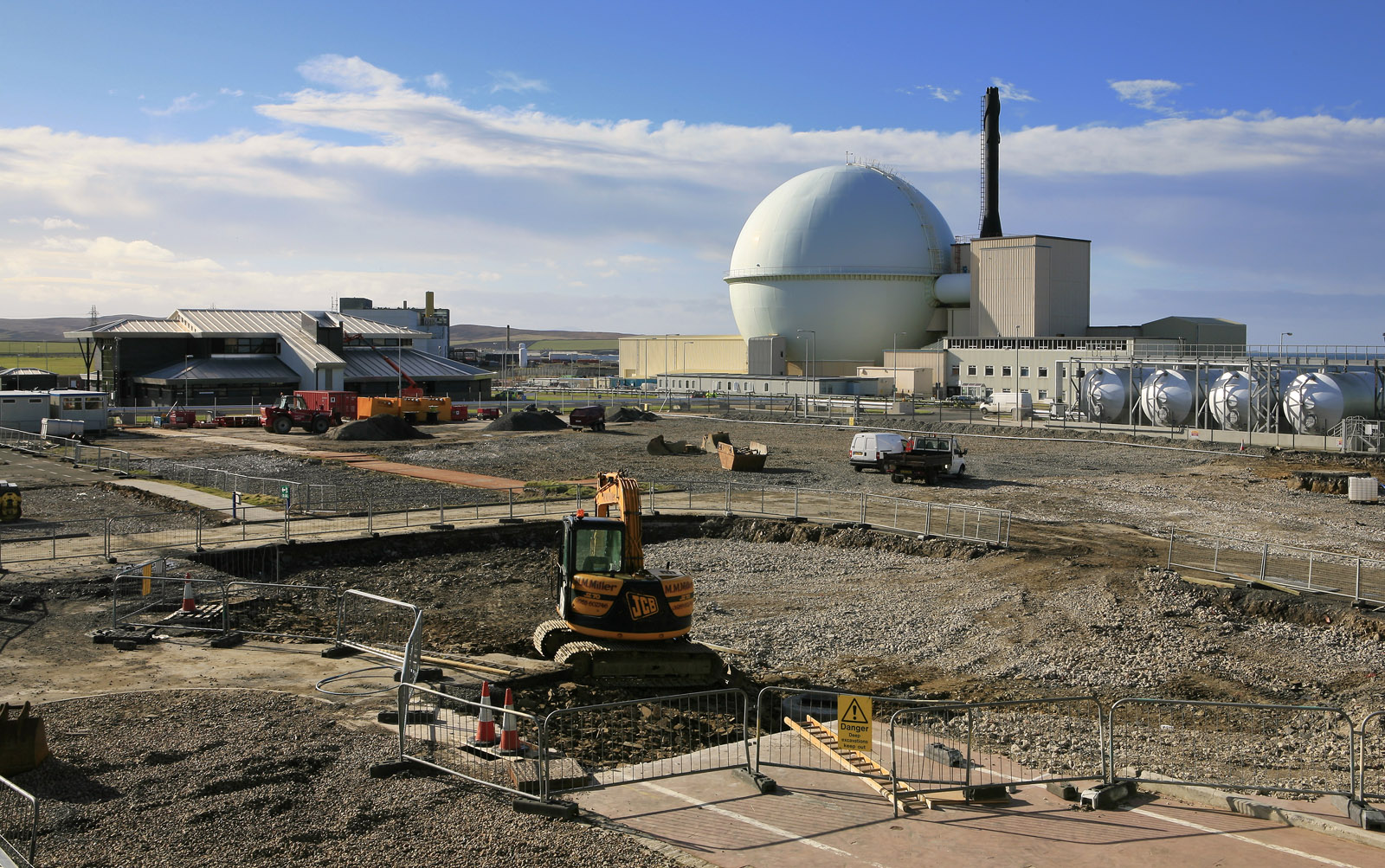
The NDA developed the first strategy for cleaning up the UK’s nuclear legacy. A lifetime decommissioning plan was published by Dounreay, Caithness, in 2000. It was a UK first and set an international benchmark. 125 acres of land at Winfrith, Dorset, was remediated and delicenced, leading to release of land for commercial development. Harwell, Oxfordshire, completed the clean-up of 18 acres to international acclaim and also released land for commercial businesses.
Restructuring in 2009
The UK’s commercial nuclear industry was restructured in 2009 with EDF Energy taking over British Energy for £12.5bn. They manage the UK’s nuclear generating capacity consisting of Advanced Gas-Cooled Reactor (AGR) stations and the single UK Pressurised Water Reactor (PWR) at Sizewell B, Suffolk.
Key events of the 21st century
2000
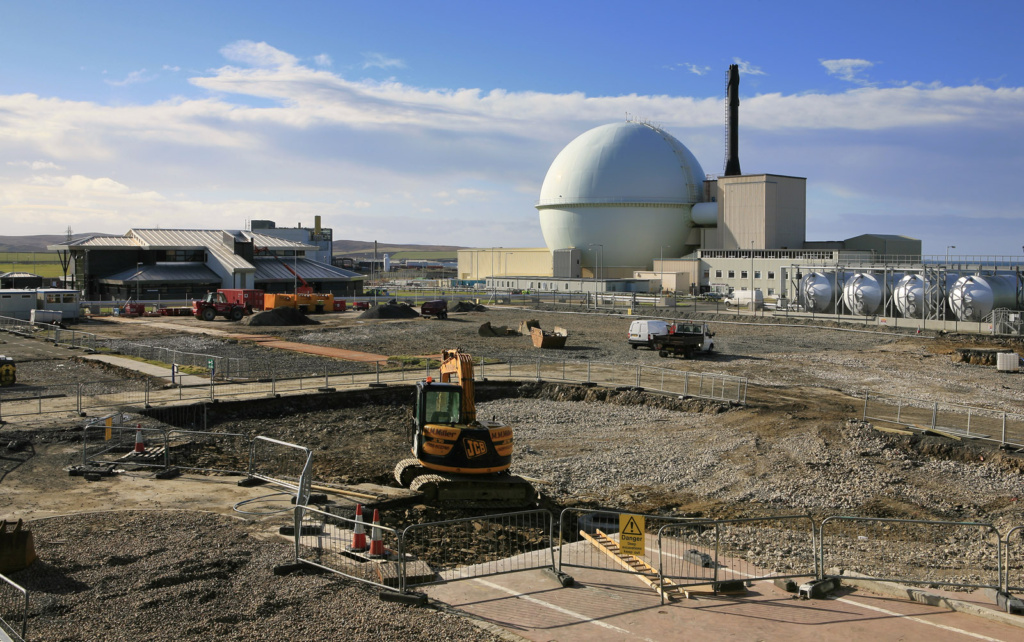
The Dounreay lifetime decommissioning plan was published, which was a UK first and set an international benchmark.
2017
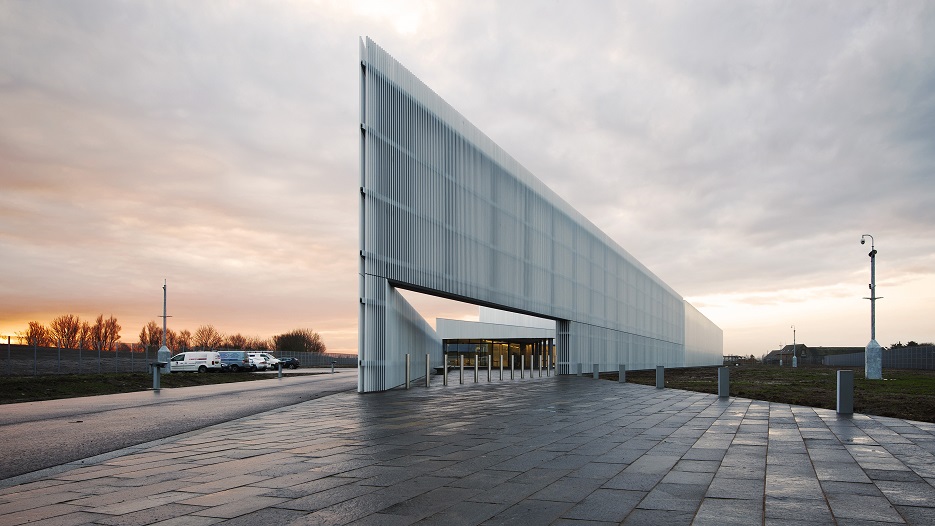
Nucleus: The Nuclear and Caithness Archives opens in Wick, Caithness.