1970s: Diversity and new ideas
A significant change for the UK Atomic Energy Authority
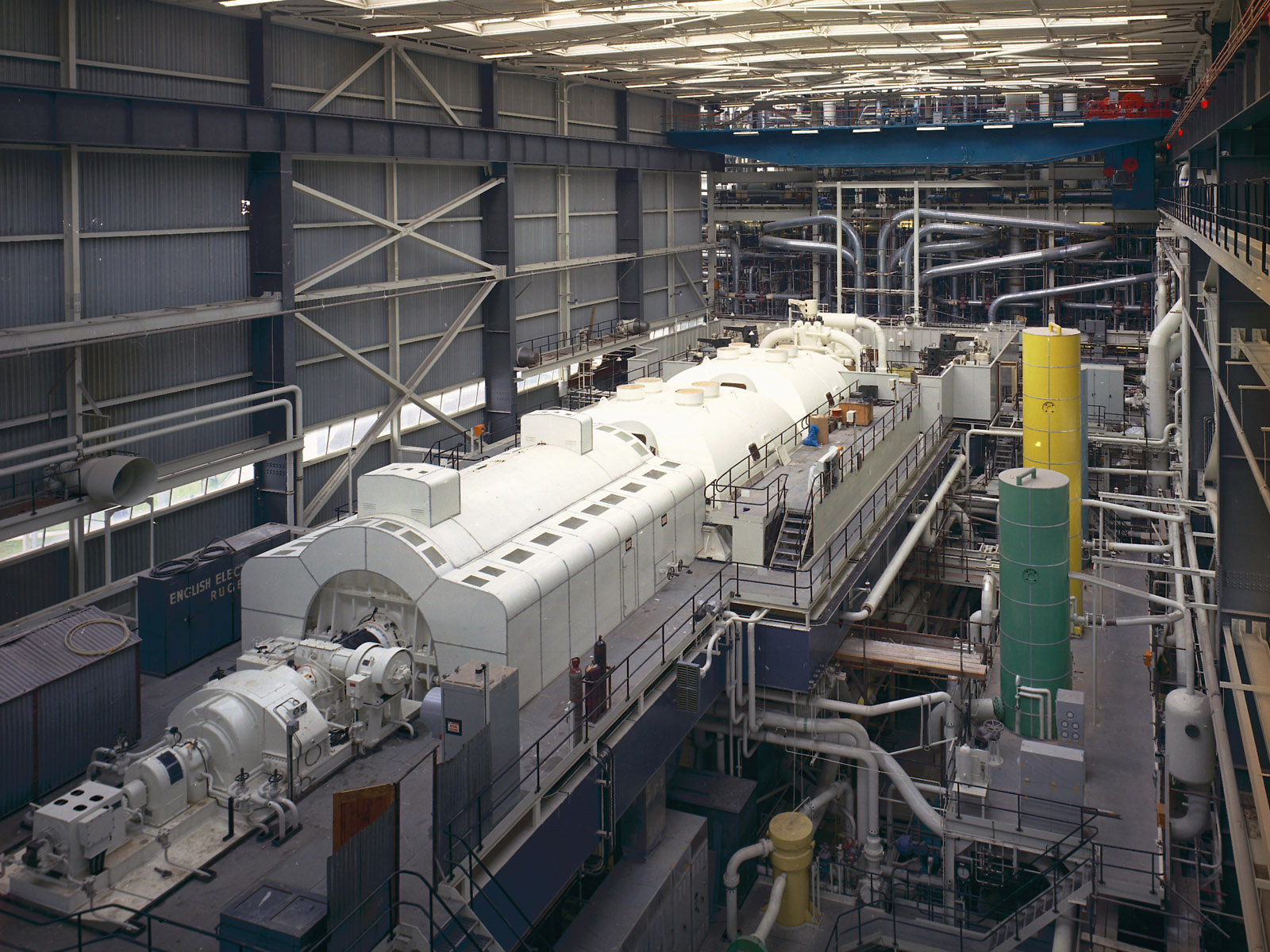
The 1970s brought significant change for the UK Atomic Energy Authority.
It began to diversify into commercial research work and pioneered the formation of new independent commercial organisations. The public inquiry for the creation of Sellafield’s Thermal Oxide Reprocessing Plant (THORP) began in 1977 and the international commercial facility was eventually in operation by 1994. In 1976 the second generation of UK nuclear power stations, the Advanced Gas-cooled Reactor (AGR) fleet started operating.
DFR shutdown
The spherical Dounreay Fast Reactor, Caithness, was shut down by Lord Hinton in 1977. He was responsible for its design and construction. The larger Prototype Fast Reactor had already started operating in its place at Dounreay.
Dounreay shaft explosion
At Dounreay, intermediate level radioactive waste was historically disposed of in a licenced 65m deep shaft. This facility closed in 1977 following an explosion due to a build of up of gases above the waste. The incident damaged the facility and scattered radioactive debris in the near vicinity. Nobody was hurt.
UKAEA development
The UK Atomic Energy Authority’s (UKAEA) nuclear and non-nuclear commercial services continued to develop. The Energy Technology Support Unit was launched and became a top energy advisory service. Business units were formed in Oil Recovery and Reactor Safety, and in Space Tribology – the study of friction, wear and lubrication.
Atomic Energy legislation
The Atomic Energy Authority Acts of 1971 and 1973 led to the formation of:
- British Nuclear Fuels Ltd (BNFL) covering uranium conversion, uranium enrichment, fuel production and reprocessing
- The Radiochemical Centre (TRC) Ltd, renamed Amersham International Ltd in 1981, covering radioactive isotope production
- National Radiological Protection Board (NRPB)
- The transfer of the Atomic Weapons Research Establishment (AWRE), based at Aldermaston (Berkshire) to the Ministry of Defence
Key events of the 1970s
1971
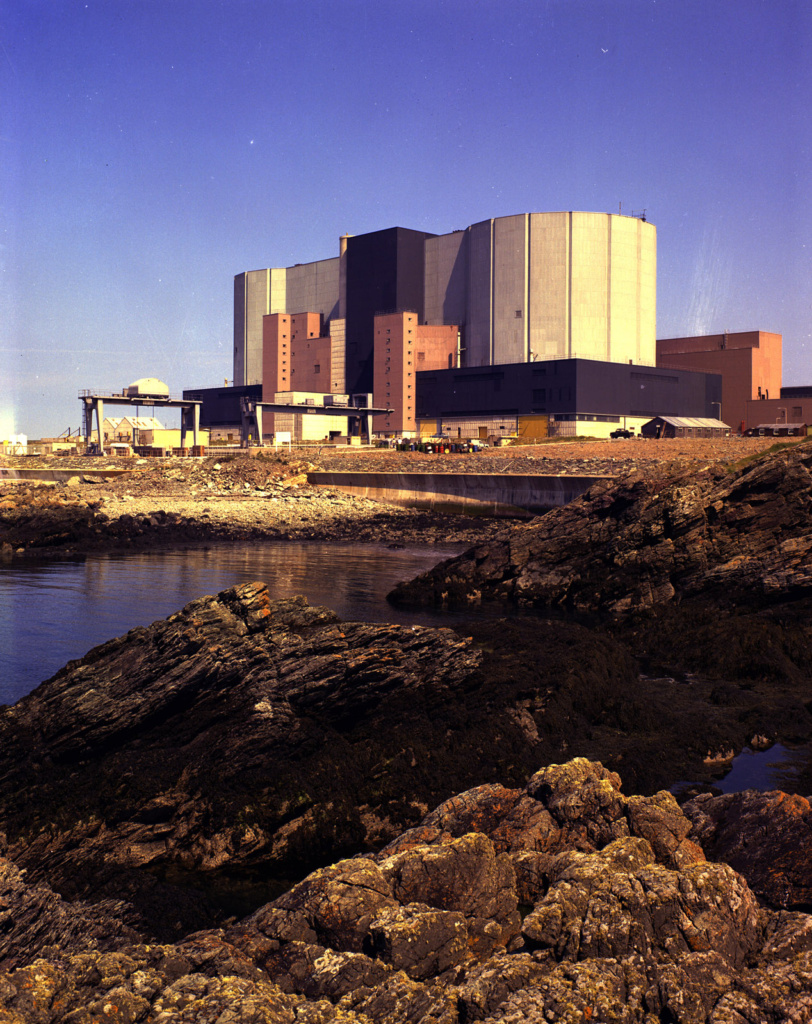
Wylfa in Anglesey, Wales, began operating and was the final Magnox station to be built.
1974

The Prototype Fast Reactor (PFR) started operating at Dounreay, Caithness.
1976
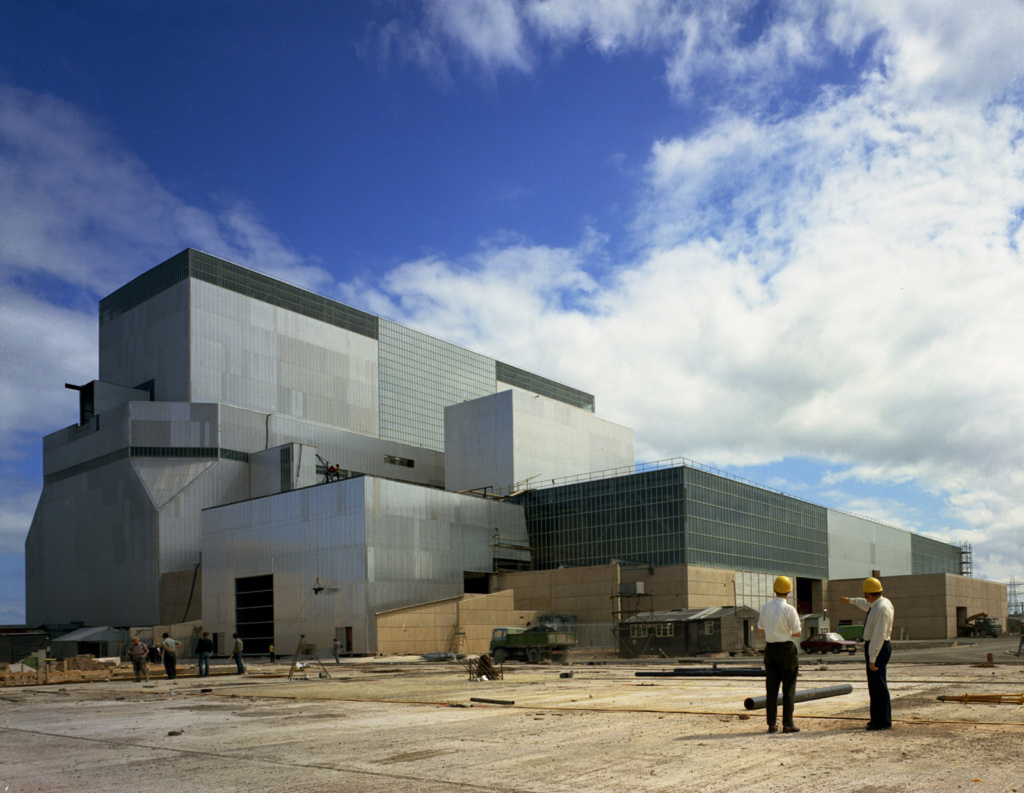
First of the Advanced Gas-cooled Reactor (AGR) fleet of reactors started operating at Hinkley Point B, Somerset and Hunterston B, Ayrshire.
1977
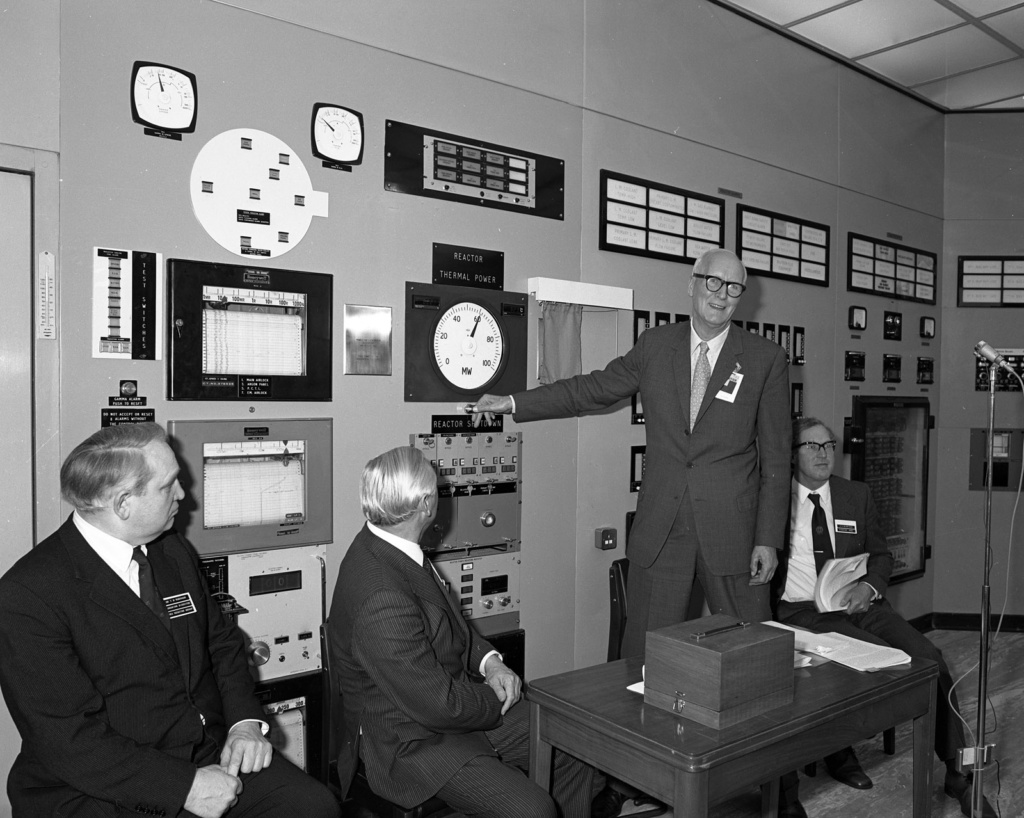
Dounreay Fast Reactor (DFR) was shut down.